
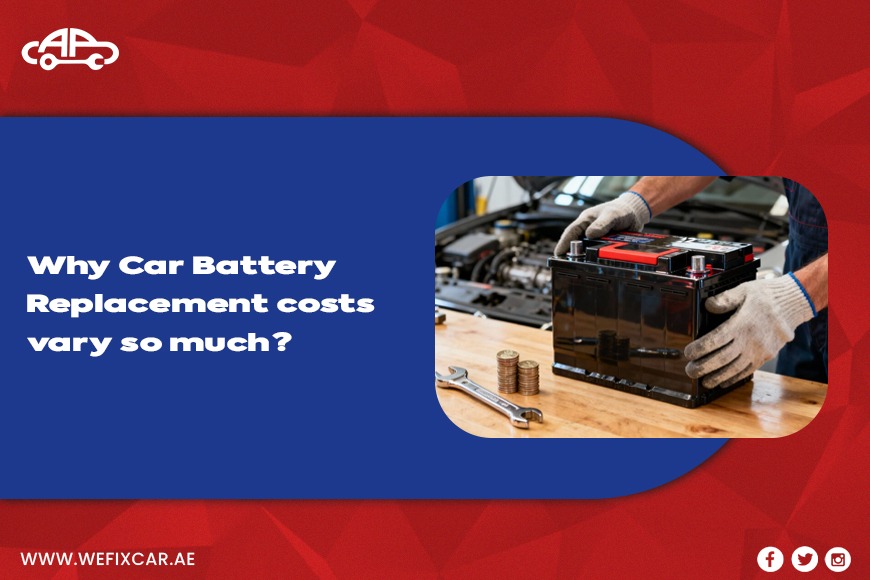
Owning a car comes with many responsibilities, and one aspect that often surprises drivers is the cost of a car battery replacement. While some people pay a modest amount, others find themselves shelling out significantly more. If you’ve ever wondered why prices differ so much, it’s important to understand the factors that influence battery costs. From battery type to car model, warranty, and even the service provider, a variety of elements come into play. By knowing what affects battery replacement prices, you can make informed decisions and avoid unnecessary expenses.
What Is a Car Battery?
A car battery is a rechargeable energy source that powers your vehicle’s electrical system, including ignition, lights, and electronic accessories. Without a properly functioning battery, your car won’t start, and your electronics may fail. Batteries typically last 3 to 5 years, but their lifespan depends on usage, driving conditions, and maintenance.
Factors Affecting Car Battery Replacement Costs
1. Battery Type
Not all car batteries are created equal. The main types include:
- Lead-Acid Batteries: The most common and affordable option.
- AGM (Absorbent Glass Mat) Batteries: More durable, handle higher electrical loads, and cost more.
- Gel Batteries: Less common, used in specialized vehicles, and typically higher priced.
Choosing the right battery type for your car impacts both performance and cost.
2. Vehicle Make and Model
Luxury cars, SUVs, and vehicles with advanced electronics often require higher-capacity batteries. A standard sedan might have a battery costing $100–$150, while a high-end vehicle may need a battery priced at $250–$400 or more.
3. Battery Brand
Premium brands like Optima, Bosch, or Exide often cost more than generic or store brands but can provide longer life, better warranty, and reliable performance.
4. Warranty Coverage
Some batteries come with extended warranties covering 3–5 years. Batteries with longer warranties tend to cost more upfront but can save money in the long run if replacement is needed.
5. Labor and Service Charges
Whether you replace the battery yourself or hire a professional affects the overall cost. Dealerships and auto shops may charge higher labor fees than independent garages or mobile services.
6. Geographic Location
Costs may vary depending on your region. Urban areas or places with high demand often have higher prices compared to rural regions.
7. Additional Services
Some battery replacements include extras like testing, installation, recycling of the old battery, or roadside assistance. These services can increase the total cost but also provide peace of mind.
Read More: Car Battery Replacement Guide for First-Time Drivers
Signs You Need a Car Battery Replacement
Knowing when to replace your battery can prevent getting stranded unexpectedly. Look out for:
- Slow engine crank
- Dim headlights
- Frequent warning lights
- Corrosion on battery terminals
- Swollen or leaking battery casing
Replacing the battery before it completely fails can sometimes reduce the cost compared to emergency replacements.
Tips to Reduce Car Battery Replacement Costs
- Regular Maintenance: Clean terminals and check water levels (if applicable).
- Compare Brands and Prices: Don’t settle for the first battery you see.
- Use Mobile or Discount Services: Some services provide installation at lower rates than dealerships.
- Recycle Old Batteries: Many places offer discounts or credits for returning old batteries.
Do You Always Need a New Battery?
Sometimes, what seems like a battery problem might be related to alternators, starter motors, or electrical issues. Having your battery tested before replacement can save money and ensure you don’t replace it unnecessarily.
Car Battery Replacement and DIY vs Professional Installation
- DIY Installation: Costs less, but requires caution. Improper handling can be dangerous.
- Professional Installation: More expensive, but ensures proper setup and warranty protection.
Choosing the right approach depends on your comfort level, tools available, and the complexity of your vehicle’s electrical system.
Conclusion
Car battery replacement costs vary widely due to battery type, vehicle make, brand, labor, and additional services. Understanding these factors helps you make informed decisions and avoid overpaying. Regular maintenance, careful selection, and professional advice can keep your vehicle running smoothly while optimizing cost-effectiveness.
FAQs
Q: How often should I replace my car battery?
A: Typically every 3–5 years, but usage, climate, and battery type can shorten or extend its lifespan.
Q: Can I replace a car battery myself?
A: Yes, if you have the right tools and follow safety precautions, though professional installation is safer for most vehicles.
Q: Why do car battery prices differ so much?
A: Factors include battery type, brand, vehicle model, warranty, labor charges, and location.
Q: How can I make my battery last longer?
A: Keep terminals clean, avoid frequent short trips, ensure proper charging, and avoid leaving electronics on when the car is off.
Q: What happens if my battery dies while driving?
A: Your car may stall, or electrical components may fail. It’s important to replace a failing battery promptly to avoid accidents or breakdowns.