
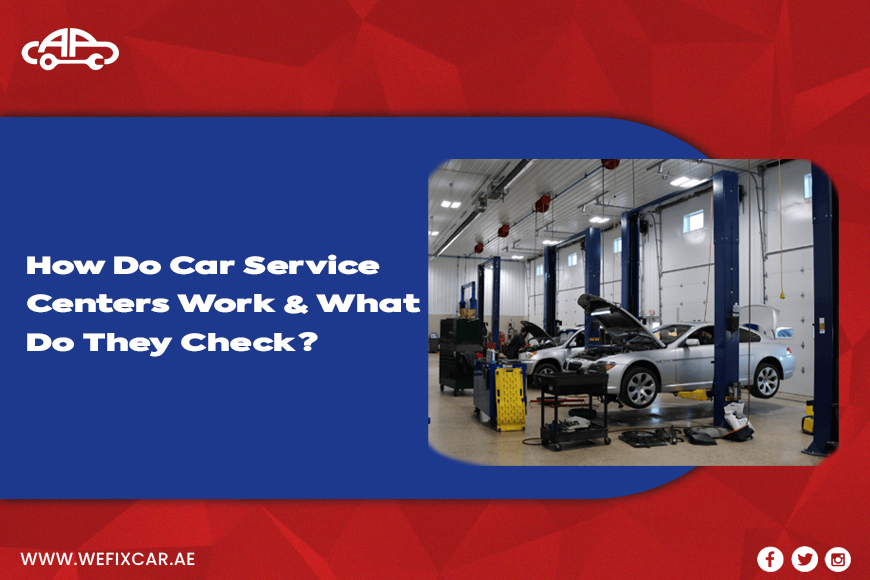
Owning a car entails the responsibility of regular maintenance to ensure safety, optimal performance, and long-term reliability. Many car owners know they should get their vehicle serviced, but fewer understand what actually happens during a service appointment. From routine inspections to advanced diagnostics, a modern car service center follows a structured process designed to identify issues early, prevent breakdowns, and keep your vehicle running efficiently. Understanding how these centers operate can help you make better decisions, avoid unnecessary costs, and ensure your car receives the care it truly needs.
In this detailed guide, we’ll explain how car service centers operate, the types of checks they perform, the services they offer, and why regular servicing is essential for every vehicle owner.
What Is a Car Service Center?
A car service center is a professional facility where trained technicians inspect, maintain, diagnose, and repair vehicles. These centers range from authorized dealership workshops to independent garages, offering services for everything from basic oil changes to complex engine and transmission repairs.
Most service centers follow manufacturer guidelines and industry standards to ensure your vehicle remains safe and roadworthy. With modern cars relying heavily on electronics and sensors, today’s service centers are equipped with advanced diagnostic tools and skilled mechanics.
How Does a Car Service Center Work?
1. Appointment Booking and Vehicle Intake
The process usually begins with booking an appointment either online, by phone, or in person. When you arrive, a service advisor gathers important details such as
- Vehicle make, model, and year
- Mileage
- Previous service history
- Any current issues or warning lights
This initial discussion helps technicians understand potential problems and plan the inspection accordingly.
2. Preliminary Inspection
Before any work begins, technicians perform a basic visual inspection. This includes checking for:
- Fluid leaks
- Warning lights on the dashboard
- Unusual noises or vibrations
- Visible wear or damage
This step helps identify urgent safety concerns that may need immediate attention.
Read More: Major Car Service Checklist for Everyday Drivers
3. Diagnostic Scanning
Modern vehicles are equipped with onboard computers. A car service center connects a diagnostic scanner to read fault codes and sensor data. This allows technicians to detect hidden issues related to:
- Engine performance
- Transmission behavior
- Emissions systems
- ABS and traction control
- Airbags and safety systems
Diagnostic scanning saves time and ensures accurate problem identification.
4. Service Plan and Cost Estimate
Once inspections and diagnostics are complete, the service advisor prepares a detailed service plan. This includes:
- Required repairs
- Recommended maintenance
- Parts replacement (if needed)
- Labor costs
- Estimated completion time
You are informed before any major work begins, ensuring transparency and control over your budget.
What Do Car Service Centers Check During a Service?
Engine and Performance Checks
The engine is the heart of your vehicle, so it receives special attention. Technicians typically inspect:
- Engine oil condition and level
- Oil filter
- Air filter
- Spark plugs (petrol cars)
- Fuel injectors
- Belts and hoses
Clean oil and proper lubrication reduce wear and improve fuel efficiency.
Brake System Inspection
Brakes are critical for safety. A car service center will check:
- Brake pads and discs
- Brake fluid level and condition
- Brake lines and hoses
- Parking brake function
Worn brake components are replaced to ensure effective stopping power.
Suspension and Steering System
To maintain ride comfort and handling, technicians inspect:
- Shock absorbers and struts
- Ball joints and bushings
- Steering rack and tie rods
- Wheel alignment
Any looseness or wear can affect control and tire life.
Tires and Wheels
Tires directly impact safety, fuel economy, and comfort. Service centers usually check:
- Tire tread depth
- Tire pressure
- Uneven wear patterns
- Wheel balancing and alignment
Proper tire care improves traction and extends tire lifespan.
Battery and Electrical System
Electrical issues can cause starting problems and system failures. Inspections include:
- Battery health and voltage
- Alternator output
- Starter motor
- Wiring and fuses
- Lighting system (headlights, indicators, brake lights)
Weak batteries are one of the most common causes of breakdowns.
Fluid Levels and Quality
Fluids keep your vehicle operating smoothly. A standard service checks:
- Engine oil
- Coolant
- Brake fluid
- Transmission fluid
- Power steering fluid
- Windshield washer fluid
Low or contaminated fluids can lead to costly damage if ignored.
Air Conditioning and Climate Control
Comfort is also important. Service centers inspect:
- AC compressor
- Refrigerant level
- Cabin air filter
- Cooling performance
This ensures effective cooling, especially in hot climates.
Exhaust and Emissions System
To meet environmental and safety standards, technicians examine:
- Exhaust pipes and muffler
- Catalytic converter
- Oxygen sensors
- Emission levels
Faulty emission systems can reduce performance and increase fuel consumption.
Types of Services Offered by Car Service Centers
Minor (Basic) Service
A minor service usually includes:
- Engine oil change
- Oil filter replacement
- Fluid top-ups
- Basic inspection
This is typically recommended every 5,000–10,000 km.
Major (Full) Service
A major service is more comprehensive and may include:
- All minor service tasks
- Spark plug replacement
- Fuel and air filter replacement
- Brake inspection and servicing
- Detailed diagnostics
This is often done every 20,000–40,000 km.
Specialized Services
Many car service centers also offer:
- Engine diagnostics
- Transmission repair
- AC repair
- Suspension repair
- Bodywork and paint
- Computer programming and software updates
Why Regular Servicing Is Important
Prevents Major Breakdowns
Small issues detected early can be fixed before they turn into expensive repairs.
Improves Safety
Regular inspections ensure critical systems like brakes, tires, and steering are always in good condition.
Enhances Fuel Efficiency
Well-maintained engines and properly inflated tires consume less fuel.
Extends Vehicle Lifespan
Consistent maintenance reduces wear and tear, helping your car last longer.
Maintains Resale Value
A complete service history from a trusted car service center increases resale value and buyer confidence.
Authorized vs Independent Car Service Centers
Authorized Service Centers
- Follow manufacturer standards
- Use genuine parts
- Often more expensive
- Maintain warranty compliance
Independent Service Centers
- More affordable
- Flexible service options
- Suitable for out-of-warranty vehicles
- Quality varies (choose reputable ones)
How to Choose the Right Car Service Center
- Check reviews and ratings
- Ask about technician certifications
- Ensure transparent pricing
- Confirm warranty on parts and labor
- Look for modern diagnostic equipment
Choosing the right service center ensures peace of mind and quality workmanship.
Final Thoughts
Understanding how a car service center works and what it checks empowers you as a vehicle owner. Regular servicing is not just about fixing problems; it’s about prevention, safety, and long-term savings. Whether you own a new car or an older model, choosing a reliable service center and following a consistent maintenance schedule will ensure your vehicle stays dependable, efficient, and safe for years to come.
FAQs
Q. How often should I visit a car service center?
A. Most vehicles should be serviced every 6 months or 5,000–10,000 km, depending on manufacturer recommendations.
Q. How long does a car service usually take?
A. A basic service takes 1–2 hours, while a major service may take half a day or more.
Q. Can I skip servicing if my car feels fine?
A. No. Many issues don’t show symptoms early. Regular servicing prevents hidden problems.
Q. Is a car service center necessary for new cars?
A. Yes. Regular servicing is required to maintain the warranty and ensure proper performance.
Q. Do car service centers provide service reports?
A. Yes. Most professional centers provide a detailed report outlining checks performed and recommendations.