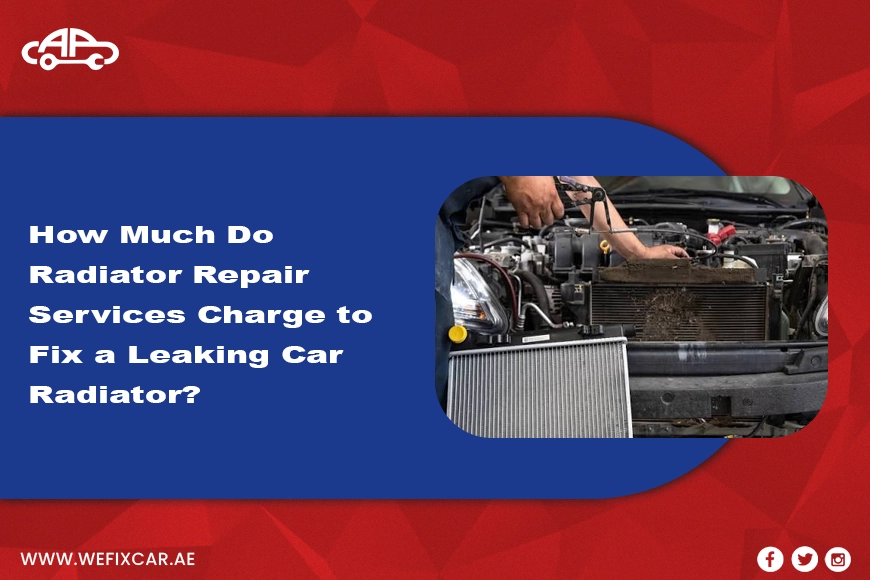
A leaking car radiator can quickly turn into an expensive problem if it is ignored. Even a small coolant leak can reduce the cooling system’s ability to control engine temperature, particularly when driving in Dubai’s heat or sitting in heavy traffic. The good news is that not every leaking radiator needs a complete replacement. Depending on the source and severity of the leak, a repair may be enough.
The cost of radiator repair services in the UAE depends on several factors, including the vehicle’s make and model, the location of the leak, replacement parts and labour charges. A loose connection or damaged hose may be relatively inexpensive to fix, while a cracked radiator core or severely corroded unit may require replacement.
This guide explains the likely repair costs, common warning signs, the difference between radiator repair and replacement, and what to check before approving a garage’s quotation. It will help you understand your options and make a more informed decision before a minor coolant leak develops into serious engine damage.
How Much Does It Cost to Repair a Leaking Car Radiator in the UAE?
The cost of fixing a leaking radiator is not the same for every vehicle. A mechanic first needs to identify where the coolant is escaping. The problem could be a damaged radiator hose, a loose connection, a faulty radiator cap, a cracked plastic tank or a damaged radiator core.
For general guidance, published UAE workshop price references indicate that minor leak repairs may cost a few hundred dirhams, while radiator replacement can cost considerably more. The following figures are indicative estimates rather than fixed prices or a quotation from a particular garage.
| Type of radiator or cooling system work | Indicative UAE cost |
| Minor radiator leak repair | AED 100–400 |
| Radiator hose replacement | AED 150–450 |
| Coolant flush and refill | AED 150–500 |
| Plastic radiator tank repair or replacement | AED 200–550 |
| Standard radiator replacement | AED 600–1,500 |
| SUV or 4×4 radiator replacement | AED 1,200–2,500+ |
| Premium or luxury vehicle radiator replacement | AED 1,500–5,000+ |
Note: These are broad market estimates compiled from published UAE price references. Actual prices vary by vehicle, parts quality, workshop, labour and the extent of the damage. Confirm whether coolant, testing, labour and VAT are included in your quotation.
When comparing the Car Radiator Repair Cost UAE, remember that the cheapest quote is not necessarily the best option. A low price may cover only a temporary repair or a replacement part of a different quality. Ask the workshop to explain what is included and whether the proposed solution addresses the actual source of the leak.
What Factors Affect the Cost of Leaking Car Radiator Repair?
Two vehicles can have similar radiator problems but receive very different repair quotations. This is because the cost depends on the vehicle’s design, the parts required and how much work is involved.
1. Vehicle Make and Model
The make and model of your car have a direct effect on radiator repair costs. Common Japanese and Korean vehicles may have more readily available aftermarket radiator options. Some European and luxury vehicles use specialised components that are more expensive or require additional labour to install.
The engine layout also matters. If the radiator is difficult to access, the mechanic may need to remove surrounding components before starting the repair. This increases labour time and can raise the final bill.
2. Location and Severity of the Leak
A leak from a radiator hose or connection may be easier to resolve than damage to the radiator core. A small crack in a repairable section may sometimes be fixed by a specialist. However, widespread corrosion, a badly damaged tank or multiple leaks can make replacement the more practical option.
The mechanic should identify the exact leak location before recommending a repair. Replacing the radiator without checking the hoses, cap and other cooling system components may not solve the problem if the coolant is escaping elsewhere.
3. Quality of Replacement Parts
If a replacement is necessary, you may be offered an original equipment manufacturer (OEM) component or an aftermarket alternative. OEM parts are generally designed to meet the vehicle manufacturer’s specifications, while aftermarket options vary by manufacturer and quality.
Ask about the part’s brand, compatibility and warranty. A suitable radiator should match the vehicle’s cooling requirements and fit correctly. Choosing a part based only on its price can lead to compatibility problems or repeated repairs.
4. Labour and Additional Repairs
The total quotation may include more than the radiator itself. Depending on the condition of the cooling system, the mechanic may need to replace a hose, radiator cap, thermostat or other damaged component.
Coolant draining, refilling, bleeding the system and pressure testing may also be required. Ask for an itemised estimate so you can understand the parts and labour included in the final Car Radiator Leak Repair Cost.
Common Signs of a Leaking Car Radiator
A radiator leak does not always begin with a large puddle under the vehicle. Sometimes, the first warning is a gradually decreasing coolant level or an engine temperature gauge that starts rising more than usual.
Recognising the signs early can help prevent further damage.
Coolant Puddles Under the Car
One of the most noticeable signs is a coloured liquid collecting underneath the front section of a parked vehicle. Coolant is commonly available in different colours, including green, pink, orange and blue, depending on the product.
However, do not identify a fluid by colour alone. Air-conditioning condensation and other vehicle fluids can also leave marks under a car. A mechanic can inspect the system and confirm whether the liquid is coolant.
Engine Temperature Keeps Rising
If the temperature gauge rises above its normal operating range, the cooling system may not be working correctly. A radiator leak can reduce coolant levels and affect heat transfer, causing the engine to run hotter than it should.
If the temperature warning appears, stop somewhere safe and switch off the engine. Do not continue driving to see whether the temperature returns to normal.
Frequent Coolant Top-Ups
Having to add coolant repeatedly is another warning sign. Although a small amount of coolant loss can sometimes have another explanation, regular top-ups should not be treated as a normal maintenance routine.
A mechanic should inspect the radiator, hoses, water pump, connections and other cooling system components to locate the source.
Sweet Smell or Steam From the Engine Area
Coolant can produce a distinctive sweet smell. If you notice this smell around the vehicle, particularly after driving, there may be a leak.
Steam coming from under the bonnet can indicate overheating or coolant escaping onto hot engine components. Pull over safely and allow the engine to cool. Never open a hot radiator cap because pressurised coolant can cause serious burns.
Leaking Car Radiator Repair Dubai: Can It Be Repaired or Does It Need Replacement?
A leaking radiator does not automatically mean you need a new one. The correct solution depends on the material, the location of the damage and the overall condition of the cooling system.
When Radiator Repair May Be Possible
A repair may be suitable when the leak comes from a damaged hose, loose connection or another replaceable component. Some minor radiator cracks may also be repairable by a specialist, depending on their location and the radiator’s condition.
However, a repair should not be considered successful simply because the visible leak has stopped. The cooling system should be checked afterwards to make sure it can maintain the required pressure and operate correctly.
When Radiator Replacement Is the Better Option
Replacement may be recommended when the radiator has extensive corrosion, multiple leaks, serious physical damage or a deteriorated core. A radiator that has repeatedly leaked or caused overheating may also need a more complete assessment.
The Car Radiator Replacement Cost in UAE can be higher than a minor repair, but replacing a severely damaged radiator may be more reliable than repeatedly paying for temporary fixes.
Before approving replacement, ask the mechanic to show you the damaged area and explain why repairing the existing radiator is not a suitable option. You can also ask about the warranty on the replacement part and installation.
Why You Should Not Ignore a Radiator Leak in the UAE
The cooling system plays an essential role in protecting your engine. It circulates coolant through the engine and radiator to manage operating temperature. When coolant escapes, the system may not be able to remove heat effectively.
In the UAE, high ambient temperatures and stop-and-go traffic can place additional demands on a vehicle’s cooling system. A leak that appears manageable during a short journey may become more serious when the engine is working harder.
Continuing to drive with insufficient coolant can lead to:
- Engine overheating: Reduced coolant levels can affect the engine’s ability to control temperature.
- Damage to engine components: Severe overheating can damage seals, gaskets and other internal parts.
- Unexpected breakdowns: A worsening leak can cause the vehicle to become unsafe or unreliable during a journey.
- Higher repair bills: Ignoring a small cooling system problem may result in more extensive repairs.
If your car is losing coolant or showing an overheating warning, arrange an inspection rather than relying on repeated top-ups. If the temperature rises into the danger zone or steam appears, stop driving as soon as it is safe to do so.
Car Coolant Leak Repair Dubai: What Happens During an Inspection?
A proper inspection should identify the source of coolant loss before any parts are replaced. Simply adding coolant or sealing the first visible leak may not address the underlying issue.
A professional inspection may include the following steps:
1. Visual Inspection
The mechanic checks the radiator, hoses, clamps, coolant reservoir and visible connections. They look for wet areas, dried coolant residue, corrosion, cracks and damaged fittings.
2. Cooling System Pressure Test
A pressure tester can help identify leaks that may not be obvious during a visual inspection. The system is tested according to the vehicle manufacturer’s specified procedure to check whether it can maintain pressure.
3. Component Assessment
The mechanic checks whether the leak is coming from the radiator itself or another component, such as a hose, water pump, thermostat housing or reservoir. This is important because different faults require different repairs.
4. Repair or Replacement Recommendation
After identifying the problem, the workshop should explain the recommended solution. You should receive a clear quotation showing the parts, labour and any additional work required.
5. Coolant Refill and Final Testing
After the repair, the system may need to be refilled with the correct coolant and properly bled to remove trapped air. A final check helps confirm that the repair has addressed the leak and that the engine temperature remains within its normal operating range.
How to Choose the Right Radiator Repair Workshop in Dubai
Choosing a workshop based only on a low quotation can be risky. A reliable repair process should include accurate diagnosis, suitable replacement parts and clear communication about the work being carried out.
Before booking, consider these points:
- Ask about diagnostic procedures: The workshop should explain how it will locate the leak rather than immediately recommending a new radiator.
- Check vehicle experience: Make sure the technicians are familiar with your car’s make, model and cooling system.
- Request a written quotation: Ask for separate details of parts, labour, coolant and any additional work.
- Confirm the parts warranty: Find out whether the replacement radiator or repaired component comes with a warranty.
- Ask for final testing: Confirm that the cooling system will be checked after the repair.
- Avoid temporary fixes as a permanent solution: A sealant or quick patch may not be appropriate for every type of radiator damage.
If your vehicle needs a wider inspection or additional mechanical work, arranging professional assistance can help you address the problem before it affects other components.
For drivers who prefer convenient vehicle assistance, PREMIUM MOBILE VAN SERVICES may be worth exploring when the required service is suitable for mobile support.
You can also explore a DOORSTEP CAR REPAIR SERVICE for assistance at a convenient location, depending on the nature of the repair and whether the vehicle can be safely serviced there. A serious radiator leak or overheating issue may require workshop inspection rather than attempting to drive the car.
For more information about radiator maintenance and repair, read our guide to Radiator Repair Services
Final Thoughts
A leaking radiator should never be treated as a minor inconvenience, especially when driving in the UAE. What begins as a small coolant leak can affect the entire cooling system and increase the risk of engine overheating. Understanding the problem early gives you a better chance of choosing a suitable repair before additional damage occurs.
The cost of radiator repair services depends on the vehicle, the leak’s location, the condition of the radiator and the parts required. A damaged hose or minor leak may need a relatively simple repair, while a corroded or severely damaged radiator may require complete replacement. That is why an accurate inspection is more useful than relying on a general price estimate.
Before approving any work, ask the mechanic to identify the source of the leak, explain whether repair or replacement is more appropriate and provide a clear breakdown of the expected charges. Also confirm that the correct coolant and compatible parts will be used and that the cooling system will be tested after the job.
Most importantly, do not continue driving if the engine temperature rises or an overheating warning appears. Stop safely and arrange professional assistance. Taking action early can help protect your engine, reduce the possibility of unexpected breakdowns and make radiator maintenance more manageable.
Frequently Asked Questions
1. How much does it cost to repair a leaking car radiator in UAE?
A minor radiator leak repair may cost approximately AED 100–400, while hose replacement and other cooling system repairs can cost more. Full radiator replacement may range from around AED 600 to several thousand dirhams, depending on the vehicle and part quality. These are indicative estimates, so request a vehicle-specific quotation.
2. What are the common signs of a leaking car radiator?
Common signs include coolant puddles under the vehicle, frequent coolant loss, a rising engine temperature gauge, a sweet smell around the engine area and steam coming from under the bonnet. A professional inspection can confirm whether the radiator is responsible.
3. Can a leaking car radiator be repaired or does it need replacement?
It depends on the damage. A minor leak or damaged hose may be repairable, while extensive corrosion, multiple cracks or serious radiator core damage may require replacement. A mechanic should inspect the cooling system before recommending either option.
4. How long does it take to fix a leaking car radiator?
A minor repair, hose replacement or pressure test may take a few hours or less, depending on access and parts availability. A complete radiator replacement can take several hours, while specialised repairs or parts that need ordering may take longer. Ask the workshop for an estimated completion time.
5. Is it safe to drive a car with a leaking radiator?
Driving with a leaking radiator is not recommended because coolant loss can cause engine overheating and serious damage. If the temperature warning appears, steam comes from the engine area or coolant is leaking heavily, stop in a safe place, switch off the engine and arrange professional assistance. Never open the radiator cap while the engine is hot.