
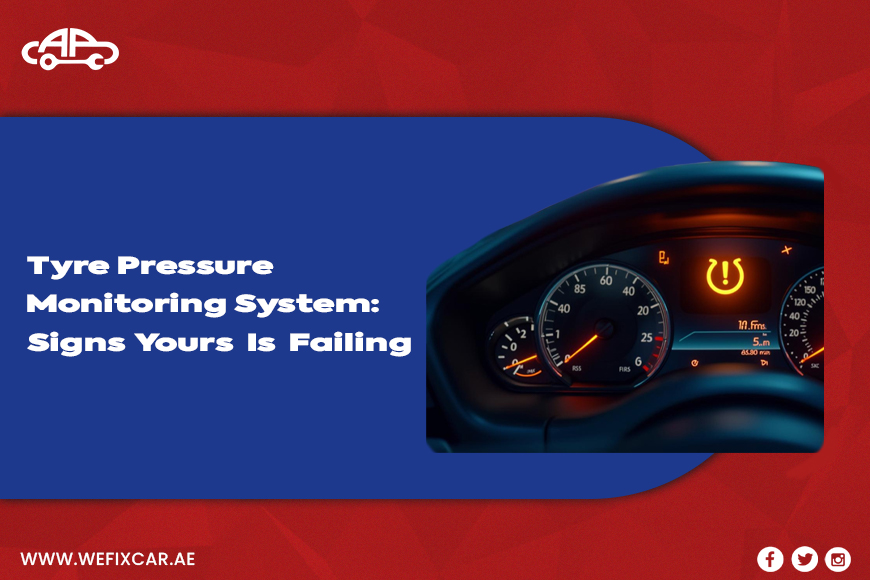
Your vehicle’s safety, fuel efficiency, and driving comfort depend on many small but critical systems working together. One of the most overlooked yet essential technologies in modern cars is the tyre pressure monitoring system, which constantly checks the air pressure in your tyres and alerts you when something is wrong. When this system starts to fail, many drivers ignore the warning signs often until a serious problem occurs. Understanding how it works and recognizing early failure symptoms can save you money, prevent breakdowns, and even avoid accidents.
What Is a Tyre Pressure Monitoring System (TPMS)?
A Tyre Pressure Monitoring System (TPMS) is an electronic safety feature designed to monitor the air pressure inside your vehicle’s tyres. If the pressure drops below or rises above the recommended level, the system triggers a warning light on your dashboard.
TPMS became mandatory in many countries because underinflated tyres are a major cause of poor handling, reduced fuel economy, and tyre blowouts. By alerting drivers early, the system helps maintain optimal tyre performance and road safety.
How a Tyre Pressure Monitoring System Works
There are two main types of TPMS used in vehicles today:
1. Direct TPMS
This system utilizes pressure sensors mounted inside each tire, typically attached to the valve stem. These sensors measure real-time air pressure and transmit data wirelessly to the car’s onboard computer.
Advantages:
- Highly accurate readings
- Real-time pressure data for each tyre
Disadvantages:
- Sensors are expensive to replace
- Battery life is limited (typically 5–10 years)
2. Indirect TPMS
This system doesn’t use pressure sensors. Instead, it relies on wheel speed sensors from the ABS. If one tyre rotates faster than others, the system assumes it has lower pressure.
Advantages:
- Lower maintenance cost
- No internal tyre sensors
Disadvantages:
- Less accurate
- Cannot display exact tyre pressure values
Why a Failing TPMS Is a Serious Issue
When your TPMS stops working correctly, you lose an important early-warning system. Driving with incorrect tyre pressure can lead to:
- Reduced braking performance
- Poor steering and handling
- Increased fuel consumption
- Uneven tyre wear
- Higher risk of tyre blowouts
Ignoring TPMS issues can turn a small sensor fault into a costly safety hazard.
Read More: Tyres Repair Near Me: How Fast Can You Get Help?
Common Signs Your Tyre Pressure Monitoring System Is Failing
1. TPMS Warning Light Stays On Constantly
If the TPMS light remains illuminated even after inflating all tyres to the correct pressure, it’s a strong indicator of a system malfunction. This could be due to a faulty sensor, damaged wiring, or a system calibration issue.
2. TPMS Warning Light Flashes and Then Stays On
A flashing TPMS light followed by a solid light usually signals a system error rather than a pressure issue. This often occurs when one or more sensors fail to communicate with the vehicle’s computer.
3. Incorrect Tyre Pressure Readings
If your dashboard displays pressure readings that don’t match manual gauge measurements, the sensors may be failing. Inaccurate data defeats the purpose of the TPMS and should be addressed immediately.
4. Warning Light Comes On Randomly
A TPMS warning that appears and disappears without any clear reason can indicate intermittent sensor failure, weak sensor batteries, or signal interference.
5. After Tyre Replacement or Rotation, the System Malfunctions
TPMS sensors can be damaged during tyre changes or rotations if not handled properly. If issues begin right after tyre service, sensor damage or incorrect relearning may be the cause.
6. Sensor Battery Failure
TPMS sensors run on small internal batteries that cannot be replaced separately. Once the battery dies, the entire sensor must be replaced. Battery failure is common in older vehicles.
7. No Warning Even When Tyres Are Clearly Underinflated
If your tyres visibly look low but no warning light appears, your TPMS may not be working at all. This is one of the most dangerous signs of system failure.
Causes of Tyre Pressure Monitoring System Failure
Several factors can contribute to TPMS issues, including:
- Aging sensors: Sensors degrade over time due to heat and vibration
- Corrosion: Moisture and road salt can damage sensor components
- Improper tyre installation: Rough handling during tyre fitting
- Electrical faults: Wiring or control module problems
- Aftermarket wheels: Incompatible wheels may interfere with sensors
How to Diagnose TPMS Problems
While some basic checks can be done at home, an accurate diagnosis often requires professional tools.
Basic Checks You Can Do
- Manually check tyre pressure with a reliable gauge
- Inflate tyres to the manufacturer-recommended PSI
- Drive for 10–15 minutes to see if the warning light resets
Professional Diagnosis
A technician can use a TPMS scan tool to:
- Identify faulty sensors
- Check sensor battery status
- Reprogram or relearn sensors
- Detect communication errors
Can You Drive with a Faulty TPMS?
Technically, yes, but it’s not recommended. While the TPMS itself doesn’t affect how your car drives, it removes a critical safety layer. Without it, you may unknowingly drive with dangerously low or high tyre pressure.
Driving long-term with a faulty system increases the risk of tyre damage, reduced control, and higher operating costs.
How to Fix a Failing Tyre Pressure Monitoring System
Sensor Replacement
If one or more sensors fail, replacement is often the only solution. Prices vary depending on vehicle type and sensor quality.
System Relearning or Reset
Some TPMS issues are caused by incorrect calibration after tyre rotation or replacement. A relearning procedure can often solve the problem.
Software Updates
In rare cases, a vehicle software update can resolve TPMS communication errors.
Regular Maintenance
Routine tyre inspections, proper inflation, and careful tyre servicing can significantly extend sensor life.
Preventing Future TPMS Problems
- Check tyre pressure manually at least once a month
- Avoid overinflation and underinflation
- Use experienced technicians for tyre services
- Replace valve caps to prevent moisture entry
- Address warning lights promptly
Final Thoughts
A properly functioning tyre pressure monitoring system is more than just a dashboard warning—it’s a vital safety feature that protects your vehicle, your tyres, and your life on the road. Recognizing the early signs of failure allows you to take action before minor issues become major problems. Regular maintenance, timely repairs, and attention to warning signals ensure your TPMS continues to perform its job effectively, keeping every journey safer and smoother.
FAQs
Q. What does the TPMS warning light mean?
A. The TPMS warning light indicates that one or more tyres have incorrect pressure or that the system itself is malfunctioning.
Q. How long do TPMS sensors last?
A. Most TPMS sensors last between 5 and 10 years, depending on driving conditions and climate.
Q. Can I replace TPMS sensors myself?
A. While possible, it’s recommended to have sensors replaced by professionals to ensure proper installation and system calibration.
Q. Does TPMS affect fuel efficiency?
A. Yes. Proper tyre pressure improves fuel efficiency, and a functioning TPMS helps maintain optimal pressure levels.
Q. Is TPMS mandatory?
A. In many countries, TPMS is mandatory for new vehicles due to safety regulations.
Q. Why did my TPMS light turn on after changing tyres?
A. This often happens due to sensor damage, incorrect installation, or the system needing recalibration.
Q. Can weather changes affect TPMS warnings?
A. Yes. Cold temperatures can lower tyre pressure, triggering the warning light even if the system is functioning properly.