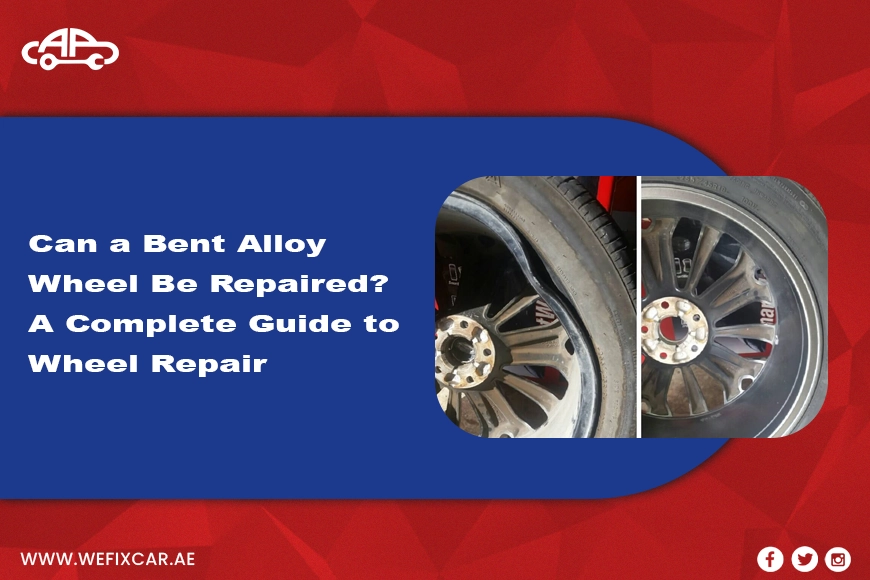
A bent alloy wheel can affect more than the appearance of a car. It may cause steering vibration, uneven tyre wear, air pressure loss and changes in vehicle handling. In Dubai, hitting a pothole, striking a kerb or driving over an uneven road surface can put enough force on a wheel to deform its rim. Sometimes the damage is visible, while in other cases, drivers notice something is wrong only when the steering wheel starts vibrating, or a tyre repeatedly loses pressure.
The good news is that not every bent alloy wheel needs replacing. Minor deformation can sometimes be corrected using specialist wheel straightening equipment. However, the right solution depends on the location of the bend, the wheel’s condition and whether its structural strength has been affected.
Understanding the available wheel repair options helps drivers make a more informed decision. This guide explains how technicians assess bent alloy wheels, what the repair process involves, which factors affect costs in Dubai and when replacement is the safer choice.
What Causes an Alloy Wheel to Bend?
Alloy wheels are designed to handle normal driving loads, but they can still become damaged when exposed to sudden or excessive impact. A strong collision with a pothole or kerb can force the rim out of its original shape.
Some common causes include:
- Potholes: Driving over a deep pothole, particularly at speed, can create significant pressure between the tyre and wheel rim.
- Kerb impacts: Hitting a kerb while parking or turning can damage the outer edge of an alloy wheel.
- Uneven road surfaces: Sudden impacts from damaged road sections or raised surfaces can deform the rim.
- Incorrect tyre pressure: Underinflated tyres provide less cushioning against road impacts, increasing the chance of wheel damage.
- Excessive vehicle load: Carrying more weight than the vehicle or wheel specifications allow can place additional stress on the wheels.
The extent of damage depends on the impact force, tyre condition, wheel design and material. A minor bend may only affect the outer lip, while a stronger impact can cause cracks or damage to the wheel barrel.
Can a Bent Alloy Wheel Be Repaired?
Yes, a bent alloy wheel can often be repaired if the deformation is minor and the wheel has no serious structural damage. However, straightening is not suitable for every damaged wheel.
The first step is a proper inspection. A technician checks the rim for bends, cracks and other signs of damage. The wheel may also need to be removed from the vehicle so its inner and outer surfaces can be examined.
For suitable damage, specialist hydraulic straightening equipment can apply controlled pressure to correct the deformation. The aim is to bring the wheel back within acceptable dimensional limits without compromising its strength.
However, some conditions make repair unsuitable:
- Deep cracks in load-bearing areas.
- Severe deformation around the wheel barrel.
- Damage that affects the wheel’s mounting surface.
- Extensive material damage or previous unsuccessful repairs.
- Any condition in which the wheel cannot safely retain the tyre or maintain its structural integrity.
A wheel that looks straight after treatment is not necessarily safe. Its condition must be assessed beyond its appearance. If a technician identifies serious structural damage, replacement is generally the more responsible option.
Common Warning Signs You Need Bent Rim Repair in Dubai
A bent rim does not always show obvious external damage. In many cases, drivers first notice changes in how the vehicle feels on the road.
Watch for these warning signs:
1. Steering wheel vibration: If the steering wheel shakes, particularly at higher speeds, a bent rim could be affecting wheel balance.
2. Vehicle shaking: A damaged wheel may cause noticeable vibration through the steering system, floor or seats.
3. Repeated tyre pressure loss: A deformed rim can prevent the tyre bead from sealing correctly, allowing air to escape.
4. Visible rim damage: Dents, flattened sections or uneven edges may indicate that the wheel has taken a strong impact.
5. Uneven tyre wear: Wheel damage can affect how the tyre sits and rotates, potentially contributing to irregular wear.
6. Changes in handling: Drivers may notice unusual steering behaviour or reduced driving comfort.
These symptoms are not exclusive to bent rims. Wheel imbalance, alignment issues, tyre defects and suspension problems can produce similar signs. A proper inspection helps identify the actual cause before any repair is recommended.
How Does Alloy Wheel Repair Dubai Work?
Professional alloy wheel repair involves more than applying pressure to a damaged rim. Technicians need to identify the problem, select an appropriate repair method and check the wheel afterwards.
Initial Wheel Inspection
The technician examines the wheel’s inner and outer surfaces for bends, cracks, scratches and impact marks. The tyre is also checked for cuts, bulges or other damage that may have occurred during the impact.
Damage and Safety Assessment
The location and severity of the deformation are assessed. The technician determines whether the wheel is suitable for straightening or whether structural damage makes replacement necessary.
Wheel Rim Straightening Process
For repairable bends, specialist hydraulic equipment applies controlled pressure to the affected area. The technician makes gradual adjustments while monitoring the wheel’s shape. Excessive force or unsuitable repair methods can weaken the wheel, so the process requires appropriate equipment and experience.
Final Inspection and Wheel Balancing
After straightening, the wheel is checked again for remaining deformation and visible damage. If it passes the required inspection, it can be balanced and checked for correct tyre seating. The tyre should also be inspected for hidden impact damage before the assembly returns to service.
Drivers looking for professional wheel repair and tyre-related services can refer to WeFixCar’s service information when considering suitable assistance in Dubai.
What Factors Affect Bent Alloy Wheel Repair Cost in Dubai?
The bent alloy wheel repair cost depends on the type of damage and the work required to address it. There is no single price that applies to every wheel because size, design and condition can vary considerably.
The main cost factors include:
Wheel size and design: Larger wheels and designs with more complex structures may require different equipment or additional labour.
Severity of the bend: A minor deformation may require less work than a significant bend affecting several areas of the rim.
Location of the damage: Damage to the outer lip may have different repair requirements from deformation around the inner barrel or other structural areas.
Additional damage: Scratches, damaged finishes and other cosmetic problems may require separate restoration work.
Repair feasibility: If the wheel has structural cracks or severe damage, replacement may be necessary instead of straightening.
Before agreeing to a repair, ask for an assessment of the damage and a clear breakdown of the proposed work. A low repair price should not be the deciding factor if the wheel cannot be restored safely.
Is Wheel Rim Straightening Dubai Always a Safe Option?
Wheel straightening can be suitable for certain types of alloy wheel damage, but it is not automatically safe in every situation. The condition of the metal and the location of the deformation matter more than how noticeable the bend appears.
Minor bends may be corrected when the wheel remains structurally sound. However, straightening a severely damaged wheel can create additional weaknesses or leave existing damage unresolved.
Cracks require particular attention. Heat-based repair or welding may be considered for certain alloy wheel applications, but it is not a universal solution. The alloy composition, crack location and manufacturer’s guidance must be considered before any such work is approved.
A responsible assessment should establish:
- Whether the wheel has cracks or material fractures.
- Whether the mounting area remains in good condition.
- Whether the rim can hold the tyre securely.
- Whether the wheel can be restored within appropriate tolerances.
- Whether replacement is necessary to maintain safety.
Drivers should not assume that a wheel is roadworthy simply because it no longer looks bent. If the damage is severe or the inspection raises concerns, replacement is the safer decision.
Repair or Replace? Choosing the Right Solution for Damaged Alloy Wheel Repair
The choice between repair and replacement depends on the wheel’s structural condition, not simply the cost of each option.
When repair may be suitable:
- The bend is minor and limited to a repairable area.
- There are no serious cracks or structural weaknesses.
- The wheel can be restored within acceptable specifications.
- A qualified technician confirms that it is suitable for continued use.
When replacement may be necessary:
- The wheel has deep or extensive cracks.
- The barrel or mounting area has suffered serious damage.
- The deformation is too severe to correct safely.
- Previous repairs have compromised the wheel’s condition.
- The technician cannot confirm its structural integrity.
Before choosing either option, consider the wheel’s age, condition and replacement availability. A professional assessment can help establish whether repairing the existing rim is practical or whether fitting a replacement is the better decision.
Where to Get Professional Wheel Repair in Dubai?
Choosing an experienced automotive workshop is important when dealing with wheel damage. A proper assessment should cover the rim, tyre condition, wheel balance and any related issues that may have resulted from the impact.
Drivers comparing options for a car workshop Dubai can refer to WeFixCar for information about its automotive services. Before proceeding, confirm which inspection and repair services are available for the specific type of wheel damage.
It is also worth asking whether the workshop checks for cracks and performs balancing after suitable straightening work. These checks help determine whether the wheel is ready to be used again.
For customers who need assistance with vehicle-related issues at a convenient location, WeFixCar also provides information about its reliable mobile van services. Drivers should confirm whether their particular wheel or tyre concern can be handled through the mobile service or requires workshop equipment.
How Can You Prevent Alloy Wheel Damage in Dubai?
Although road impacts cannot always be avoided, a few practical habits can reduce the likelihood of damaging your wheels.
- Maintain correct tyre pressure: Check pressure regularly and follow the vehicle manufacturer’s recommended figures.
- Reduce speed near potholes: Slow down when approaching damaged road surfaces and avoid sudden movements.
- Approach speed bumps carefully: Follow suitable speeds and avoid striking raised surfaces at an angle that puts unnecessary pressure on the wheels.
- Park carefully: Keep a safe distance from kerbs to prevent damage to the outer rim.
- Check tyres after an impact: Look for bulges, cuts, pressure loss and unusual changes in handling.
- Arrange regular inspections: Have wheels and tyres checked if you notice vibration or other unusual symptoms.
Understanding the construction and maintenance requirements of Alloy Wheels can also help drivers make better decisions about repairs, welding considerations and long-term wheel care.
Conclusion
A bent alloy wheel should never be treated as a minor cosmetic issue without checking its condition. Even a small deformation can affect tyre seating, wheel balance and driving comfort. If the damage is more serious, it may also compromise the wheel’s ability to support the vehicle safely.
Many minor bends can be corrected using specialist straightening equipment, provided the wheel has no significant cracks or structural weaknesses. However, severe deformation, damaged mounting areas and extensive cracks may make replacement the more suitable option. The decision should always follow a proper inspection rather than being based on appearance or repair price alone.
Drivers in Dubai should pay attention to warning signs such as steering vibration, repeated tyre pressure loss, unusual shaking and visible rim damage. Addressing these problems early can help prevent additional tyre damage and avoid unnecessary stress on other vehicle components.
When choosing a repair service, ask how the wheel will be inspected, which repair method is proposed and what checks will be completed afterwards. Also make sure the tyre itself is examined, as an impact can damage both the tyre and the rim.
WeFixCar encourages drivers to take wheel and tyre concerns seriously and seek an appropriate assessment when damage occurs. A suitable repair, or timely replacement when necessary, helps maintain dependable handling and safer driving conditions. Prioritising the wheel’s structural condition is always more important than simply making it look new.
Frequently Asked Questions
1. Can a bent alloy wheel be repaired?
Yes, many bent alloy wheels can be repaired if the deformation is minor and there are no serious cracks or structural weaknesses. A technician must inspect the wheel to determine whether straightening is safe or replacement is necessary.
2. How much does bent alloy wheel repair cost in Dubai?
The cost depends on wheel size, damage severity, the location of the bend and the repair method. Additional cosmetic work may increase the price. A physical inspection is the best way to obtain an accurate estimate.
3. Is it safe to drive with a bent alloy wheel?
Driving with a bent alloy wheel can cause vibration, air pressure loss and handling problems. Severe damage may also affect tyre retention. Have the wheel inspected promptly and avoid driving if the tyre is losing air or the wheel appears seriously damaged.
4. How do I know if my alloy wheel is bent?
Common signs include steering vibration, vehicle shaking, repeated tyre pressure loss, uneven tyre wear and visible dents around the rim. A professional inspection can confirm whether the wheel is bent or another component is causing these symptoms.
5. Is it better to repair or replace a bent alloy wheel?
Repair may be suitable for minor bends when the wheel remains structurally sound. Replacement is generally preferable when there are serious cracks, extensive deformation or damage that cannot be corrected safely. The final decision should follow a professional assessment.