

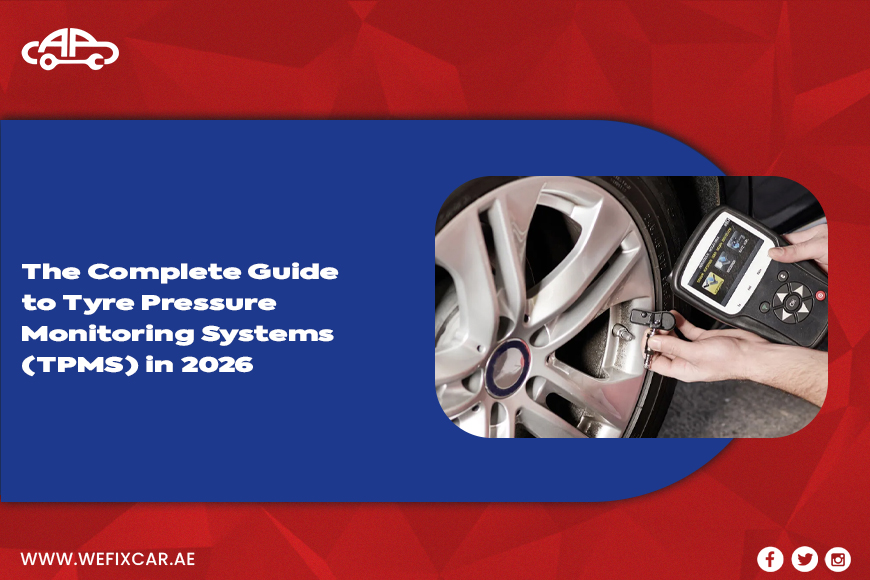
Whether you’re driving on Sheikh Zayed Road, commuting through Downtown Dubai, or planning a road trip across the UAE, maintaining proper tyre pressure is essential for safety, fuel efficiency, and vehicle performance. Modern vehicles are equipped with advanced technologies that help drivers stay informed, and one of the most valuable innovations is the tyre monitoring system. This smart technology continuously monitors tyre pressure and alerts drivers when pressure drops below recommended levels, helping prevent accidents, reduce tyre wear, and improve overall driving confidence.
In Dubai, where high temperatures can significantly affect tyre pressure, a reliable Tyre Pressure Monitoring System (TPMS) is more important than ever. This guide explains how TPMS works, its different types, benefits, maintenance tips, and why every driver should understand this essential vehicle safety feature.
What Is a Tyre Pressure Monitoring System (TPMS)?
A Tyre Pressure Monitoring System (TPMS) is an electronic safety system that monitors the air pressure inside your vehicle’s tyres. When one or more tyres become underinflated or overinflated, the system immediately alerts the driver through a warning light or dashboard message.
The primary purpose of TPMS is to:
- Improve road safety
- Prevent tyre blowouts
- Enhance fuel efficiency
- Extend tyre lifespan
- Improve vehicle handling
In 2026, TPMS has become a standard feature in most new passenger vehicles around the world.
Why TPMS Is Especially Important in Dubai
Dubai’s climate presents unique challenges for tyres.
During the summer, road temperatures often exceed 60°C. Heat naturally increases tyre pressure, while sudden cooling during the evening or in air-conditioned parking areas can reduce pressure.
Incorrect tyre pressure can lead to:
- Increased risk of tyre failure
- Reduced braking performance
- Uneven tyre wear
- Poor steering control
- Higher fuel consumption
A quality tyre monitoring system continuously tracks tyre pressure, allowing drivers to identify problems before they become dangerous.
Types of Tyre Pressure Monitoring Systems
There are two primary types of TPMS available today.
Direct TPMS
Direct TPMS uses pressure sensors installed inside each tyre.
These sensors measure the actual tyre pressure and transmit real-time information to the vehicle’s onboard computer.
Advantages
- Highly accurate readings
- Real-time monitoring
- Individual tyre pressure display
- Fast warning alerts
Disadvantages
- Higher installation cost
- Sensor batteries require replacement
- Sensors may need recalibration after tyre service
Indirect TPMS
Indirect TPMS works through the vehicle’s ABS wheel speed sensors.
Instead of measuring pressure directly, it compares wheel rotation speeds. A tyre with lower pressure rotates differently than properly inflated tyres.
Advantages
- Lower cost
- No sensors inside tyres
- Easier maintenance
Disadvantages
- Less accurate
- Requires resetting after tyre inflation
- Cannot display exact tyre pressure
How Does TPMS Work?
A TPMS follows a simple process:
- Sensors monitor tyre pressure continuously.
- Data is transmitted to the vehicle’s ECU.
- The computer compares readings with manufacturer specifications.
- If pressure falls outside the safe range, a dashboard warning light appears.
- The driver checks and adjusts tyre pressure accordingly.
Modern systems can also display:
- Individual tyre pressure
- Tyre temperature
- Battery status
- Sensor condition
Read More: How Tyre Pressure Monitoring System Dubai Saves Money
Benefits of Using a Tyre Pressure Monitoring System
Improved Road Safety
Properly inflated tyres provide better grip, shorter braking distances, and improved vehicle stability.
TPMS warns drivers before low pressure becomes dangerous.
Better Fuel Economy
Underinflated tyres increase rolling resistance.
Even a small pressure drop can increase fuel consumption by several percent.
Maintaining proper tyre pressure helps reduce fuel costs.
Longer Tyre Life
Uneven tyre pressure causes irregular wear patterns.
Proper inflation ensures tyres wear evenly, increasing their lifespan.
Reduced Risk of Blowouts
Tyre blowouts are often caused by underinflation combined with excessive heat.
This is particularly important for drivers in Dubai’s extreme summer temperatures.
Improved Driving Comfort
Correct tyre pressure results in:
- Better steering response
- Improved cornering
- Smoother ride quality
- Reduced vibration
TPMS Warning Light Explained
Most vehicles display a yellow horseshoe-shaped icon with an exclamation mark.
This warning indicates:
- Low tyre pressure
- High tyre pressure
- Faulty TPMS sensor
- Communication issue
- System malfunction
Never ignore this warning.
Even if the vehicle appears to drive normally, tyre pressure should be checked immediately.
Common Reasons TPMS Activates
Several situations can trigger the warning light.
Seasonal Temperature Changes
Temperature fluctuations naturally affect tyre pressure.
Pressure typically changes by approximately 1 PSI for every 10°F (about 5.5°C).
Slow Air Leaks
Small punctures, damaged valves, or ageing tyres can gradually lose air.
TPMS helps identify these issues early.
Recent Tyre Replacement
After installing new tyres, sensors often require recalibration.
Damaged Sensor Battery
Direct TPMS sensors contain internal batteries that usually last between 5 and 10 years.
Incorrect Tyre Inflation
Overinflation and underinflation can both activate the warning system.
How to Maintain Your TPMS
Proper maintenance keeps the system accurate.
Check tyre pressure monthly
Use a digital tyre pressure gauge.
Inspect tyres regularly
Look for:
- Cracks
- Cuts
- Embedded objects
- Uneven wear
Reset TPMS after inflation
Many vehicles require a system reset after adjusting tyre pressure.
Replace damaged sensors
Faulty sensors reduce monitoring accuracy.
Service your tyres professionally
Qualified technicians can recalibrate and diagnose TPMS problems.
TPMS vs Manual Tyre Pressure Checks
Many drivers wonder whether TPMS replaces manual inspections.
The answer is no.
TPMS provides continuous monitoring, but manual pressure checks remain important because:
- Sensors may fail
- Incorrect calibration can occur
- Pressure gauges verify accuracy
- Visual inspections identify physical tyre damage
Both methods should be used together.
Signs Your TPMS Needs Service
Watch for these symptoms:
- TPMS warning stays on permanently
- Flashing warning light
- Incorrect pressure readings
- Missing tyre pressure display
- Frequent false alerts
Professional inspection is recommended if any of these occur.
Choosing the Best Tyre Monitoring System in 2026
When purchasing an aftermarket TPMS, consider:
- Sensor accuracy
- Real-time monitoring
- Bluetooth connectivity
- Smartphone app compatibility
- Long battery life
- Waterproof sensors
- Easy installation
- Temperature monitoring
- Wide pressure range
- Reliable warranty
Many premium systems now integrate with mobile apps, allowing drivers to monitor tyre conditions remotely.
Future of TPMS Technology
The latest TPMS innovations include:
- Artificial intelligence diagnostics
- Predictive tyre failure alerts
- Cloud-based vehicle monitoring
- Fleet management integration
- Smartphone notifications
- GPS-enabled maintenance tracking
- Smart sensor analytics
- Electric vehicle optimization
As connected vehicles continue to evolve, TPMS will become even more intelligent and proactive.
Best Practices for Dubai Drivers
Dubai’s road conditions make tyre maintenance particularly important.
Drivers should:
- Check tyre pressure before long journeys.
- Inspect tyres after driving on extremely hot roads.
- Replace ageing tyres promptly.
- Rotate tyres regularly.
- Follow manufacturer-recommended pressure levels.
- Never ignore TPMS warning lights.
- Service TPMS sensors during tyre replacement.
- Use nitrogen inflation if recommended by your tyre specialist.
Conclusion
A Tyre Pressure Monitoring System is no longer just a convenience—it is a vital safety feature for modern vehicles. In Dubai’s demanding climate, maintaining correct tyre pressure can improve safety, reduce fuel costs, extend tyre life, and prevent dangerous tyre failures.
Whether your vehicle comes with a factory-installed TPMS or you choose an aftermarket solution, investing in a dependable tyre monitoring system is one of the smartest decisions you can make for safer and more efficient driving in 2026.
Frequently Asked Questions (FAQs)
1. What is a tyre monitoring system?
A tyre monitoring system is an electronic safety feature that monitors tyre pressure and alerts drivers when pressure becomes too low or too high.
2. Is TPMS mandatory in new vehicles?
In many countries, TPMS is required in new passenger vehicles. Requirements vary by market and manufacturer.
3. Can I drive with the TPMS warning light on?
It is not recommended. You should check your tyre pressure as soon as possible to avoid potential safety risks.
4. How long do TPMS sensors last?
Most direct TPMS sensor batteries last between 5 and 10 years, depending on usage.
5. Does TPMS improve fuel efficiency?
Yes. Properly inflated tyres reduce rolling resistance, which can improve fuel economy and reduce tyre wear.
6. Can TPMS detect a tyre puncture?
Yes. If a puncture causes a drop in tyre pressure, TPMS will usually alert the driver promptly.
7. Do I still need to check tyre pressure manually?
Yes. Manual inspections complement TPMS and help detect issues that sensors may not identify, such as tread damage or sidewall defects.
8. Is TPMS useful for Dubai drivers?
Absolutely. Dubai’s high temperatures can significantly affect tyre pressure, making TPMS especially valuable for maintaining safety and performance.