

Extreme summer temperatures put a level of strain on vehicles that many drivers underestimate until something fails unexpectedly. From batteries dying without warning to tyres wearing out faster than usual, the heat has a cumulative effect on several key systems in a car. Understanding how these components are affected can help drivers take preventive steps before problems arise.
Why Extreme Climate Is Especially Hard on Vehicles
High ambient temperatures, combined with hot asphalt and prolonged sun exposure, mean that a car’s internal components often operate at temperatures well above what they would experience in milder climates. This constant thermal stress accelerates wear on rubber, fluids, and electrical components, shortening the lifespan of parts that might otherwise last much longer.
Impact on Car Batteries
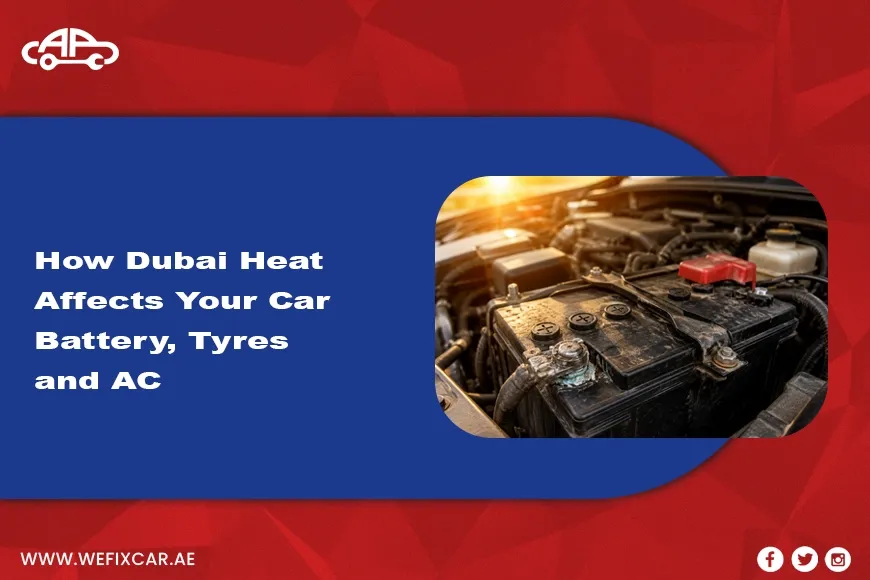
It is a common misconception that cold weather is the main enemy of car batteries, but sustained heat is actually more damaging over time. High temperatures speed up the chemical reactions inside a battery, which can cause fluid to evaporate faster and internal components to corrode more quickly. This often leads to a shorter overall battery lifespan and an increased risk of sudden failure, particularly during the hottest months of the year.
Impact on Tyres
Hot road surfaces cause tyre rubber to soften slightly and air inside the tyre to expand, which increases internal pressure. Underinflated, damaged, or heavily worn tyres are particularly vulnerable because excessive flexing and heat buildup can increase the risk of tyre failure. Extended exposure to heat can also cause the rubber compound to degrade faster, leading to cracking and reduced tread life over time.
Impact on the Air Conditioning System
Air conditioning systems work far harder in extreme heat, running for longer periods and at higher loads to maintain a comfortable cabin temperature. This added strain can accelerate wear on the compressor, condenser, and refrigerant lines, and any existing minor leaks or inefficiencies tend to become far more noticeable when the system is under constant heavy use.
Tips to Protect Your Car During Summer
Regularly checking battery terminals for corrosion and having the battery tested before peak summer heat sets in can help avoid unexpected breakdowns. Checking tyre pressure frequently, since it fluctuates more with temperature changes, and inspecting tread for early signs of cracking can reduce the risk of blowouts. Having the air conditioning system serviced ahead of the hottest months, including checking refrigerant levels and the cabin filter, also helps the system run efficiently when it is needed most. Parking in shaded areas whenever possible further reduces the overall thermal load on the vehicle.
Conclusion
Extreme heat does not damage a vehicle overnight, but its effects accumulate steadily across the battery, tyres, and air conditioning system until a failure eventually occurs, often at the most inconvenient moment. Regular inspections and a bit of seasonal preparation can go a long way toward keeping a car reliable and comfortable throughout the hottest months of the year.